hoosing a preschool is one of the first major decisions you make for your child.
And honestly—it can feel overwhelming.
Every school claims to be “the best.”
Every brochure looks perfect.
But the real question is:
How do you actually know what’s right for your child?
Let’s simplify it.
1. Focus on Environment, Not Just Curriculum
Most parents ask:
👉 “What will my child learn?”
But the better question is:
👉 “How will my child feel while learning?”
At this age, children don’t learn through pressure—they learn through:
- Comfort
- Play
- Emotional safety
A good preschool should feel like a second home, not a classroom.
2. Teachers Matter More Than Infrastructure
Fancy classrooms don’t raise confident children—teachers do.
Observe:
- Are teachers patient and warm?
- Do they speak gently with kids?
- Do children feel comfortable approaching them?
A caring teacher can shape your child’s confidence for years.
3. Safety & Hygiene is Non-Negotiable
Before anything else, check:
- Clean classrooms & washrooms
- Child-safe furniture
- Secure entry/exit system
- Staff supervision at all times
You should feel peace of mind the moment you step in.
4. Look at Child-to-Teacher Ratio
This is one of the most ignored factors.
If one teacher is handling too many children:
- Your child won’t get attention
- Emotional needs may be missed
Smaller groups = better care + faster development.
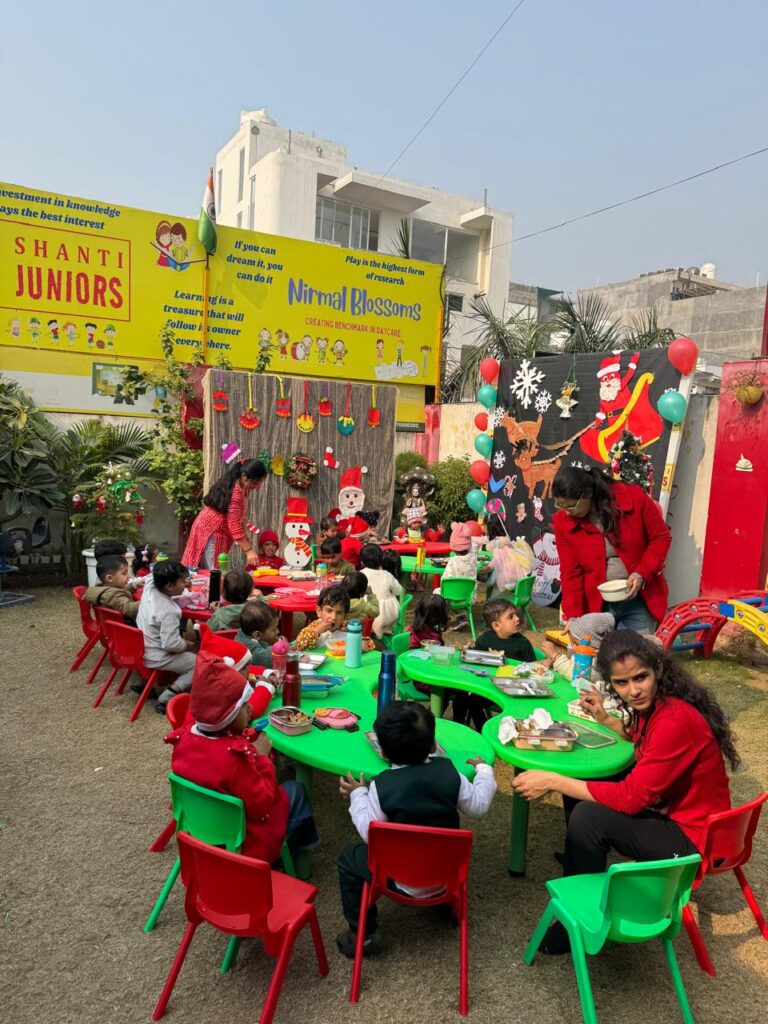
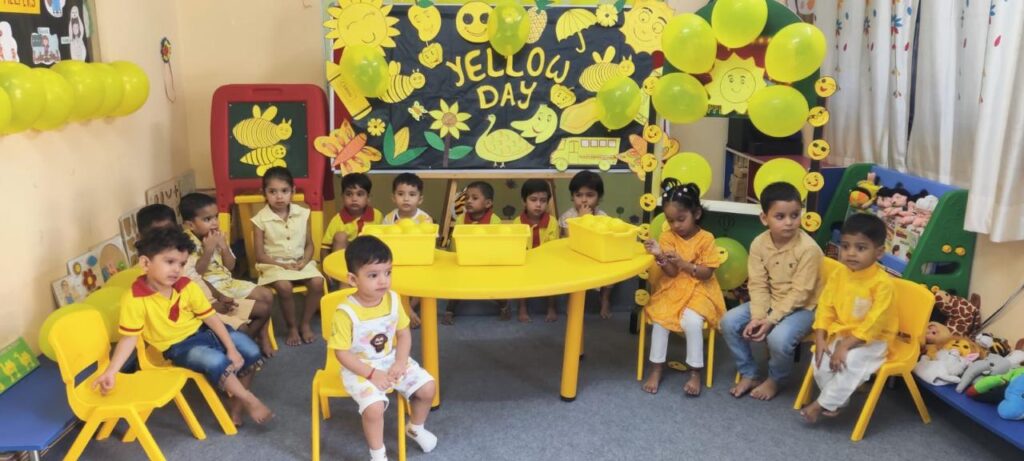
5. Observe How Children Behave There
This is the simplest test.
Watch the kids:
- Are they happy?
- Are they engaged?
- Are they interacting freely?
Children never fake comfort.
Their behavior tells you everything.
6. Balanced Learning Approach
Avoid extremes:
- ❌ Too academic (pressure)
- ❌ Too unstructured (no growth)
Look for:
- Play-based learning
- Activity-driven engagement
- Social interaction
This balance builds both intelligence and confidence.
7. Trust Your Instinct as a Parent
After all checks, ask yourself:
👉 “Do I feel comfortable leaving my child here?”
If the answer is yes—you’ve likely found the right place.
Final Thought
A preschool is not just where your child learns A-B-C.
It’s where they:
- Learn to trust
- Learn to express
- Learn to grow
Choose a place that nurtures—not just teaches.
Still unsure which preschool is right for your child?